What I Talk About When I Talk About Running vs. How to Write One Song
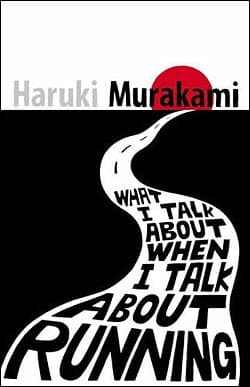
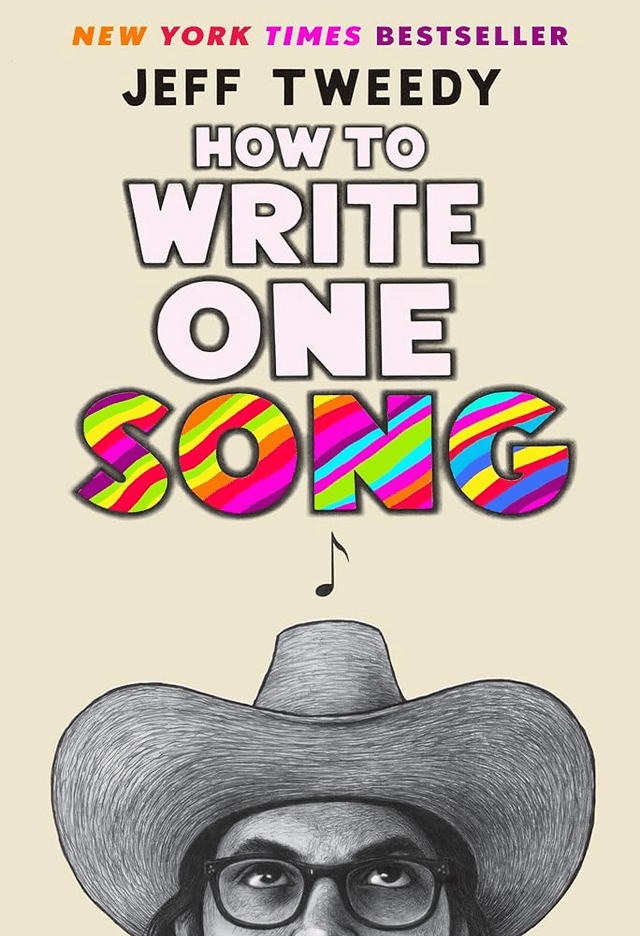
I read this book when I first started running long distance. I was living in Chiang Mai and I'd go this huge park a couple of times a week and just run loops around the lake. At the end of my run I'd grab a milk tea and a banana bread from a local coffee shop and just read a few pages. Great memories of many chill evenings, running and reading about running.
Pros
Cons
No cons yet, would you like to add one?
Pros
Cons
Frequently Asked Questions
'What I Talk About When I Talk About Running' by Haruki Murakami focuses on the personal journey of running and its impact on life and creativity. It offers a reflective and motivational perspective that can inspire readers to embrace challenges and persistence. In contrast, 'How to Write One Song' by Jeff Tweedy provides practical insights into the songwriting process, encouraging creativity and self-expression. If you are looking for inspiration related to physical activity and personal growth, Murakami's book may resonate more. However, if you are interested in exploring your creative side through music, Tweedy's book offers actionable advice that can be beneficial.
'How to Write One Song' provides more direct practical advice for creative expression, specifically in the realm of songwriting. It breaks down the process into manageable steps, making it accessible for both beginners and experienced musicians. On the other hand, 'What I Talk About When I Talk About Running' is more reflective and philosophical, focusing on the author's personal experiences with running and writing rather than offering specific techniques for creativity. Therefore, for those seeking actionable guidance in creative pursuits, Tweedy's book is likely the better choice.
'What I Talk About When I Talk About Running' is often seen as more motivating due to its focus on perseverance, personal growth, and the joys of running. Murakami's narrative encourages readers to push through challenges and find meaning in their efforts. Conversely, 'How to Write One Song' motivates through the lens of creativity and self-expression, inspiring readers to engage with their artistic side. The choice between the two depends on whether you find motivation in physical endurance or creative exploration.
'What I Talk About When I Talk About Running' is a memoir by Haruki Murakami that explores the intertwined themes of running and writing. Murakami shares his journey from running a jazz bar to becoming a novelist, detailing how running became a crucial part of his life and a metaphor for his writing process. The book reflects on endurance, acceptance of aging, and the highs and lows of both running and writing.
Pros of 'What I Talk About When I Talk About Running' include its easy readability, motivating content, and the peaceful tone of Murakami's writing. There are no cons listed for this book, indicating that readers generally find it to be a positive experience.
Haruki Murakami is a renowned Japanese author known for his unique blend of magical realism, surrealism, and themes of loneliness and existentialism. He gained international fame with novels such as 'Norwegian Wood' and 'Kafka on the Shore.' In 'What I Talk About When I Talk About Running,' he shares personal insights into his life as a writer and runner.
The writing style of 'What I Talk About When I Talk About Running' is straightforward and conversational, as if Murakami is sharing his thoughts over coffee. He often includes personal anecdotes and reflections, making the narrative relatable and engaging for readers.
In 'What I Talk About When I Talk About Running,' memorable moments include Murakami's experiences training for marathons, his reflections on aging and acceptance, and the simple joys of running, such as the satisfaction of finishing a race and enjoying a cold beer afterward. His vivid descriptions of running the original marathon route in Greece also stand out.
'How to Write One Song' by Jeff Tweedy is a guide that demystifies the process of songwriting, making it accessible to anyone. The book emphasizes the importance of focusing on writing just one song, which can simplify the creative process and reduce the intimidation often associated with songwriting. It covers the entire process from lyrics to music composition, and aims to integrate creativity into daily life, offering hope, inspiration, and joy to those who engage with it.
Pros of 'How to Write One Song' include insightful and practical songwriting tips, encouragement of creativity and self-expression, accessibility for both beginners and experienced musicians, and an engaging, conversational writing style. One con is that the book may be too basic for some readers who are looking for more advanced techniques.
