Meditations by Marcus Aurelius vs. The Republic
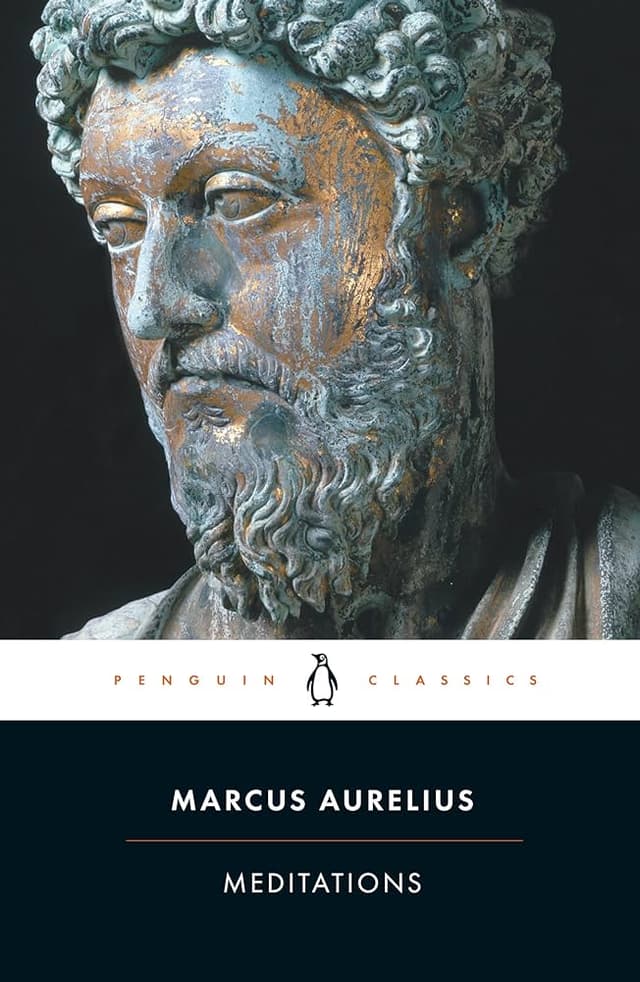
Meditations by Marcus Aurelius
From wikipedia: Meditations is a series of personal writings by Marcus Aurelius, Roman Emperor from AD 161 to 180, recording his private notes to himself and ideas on Stoic philosophy. Meditations are worth reading if only to get a glimpse at the thoughts of a man who lived a life in truly extraordinary circumstances of being a Roman Emperor. It's surprising how relevant the themes of his diaries are two thousand years later.
Pros
Cons
No cons yet, would you like to add one?
Pros
Cons
Frequently Asked Questions
Meditations by Marcus Aurelius offers practical advice on personal conduct, drawn from the author's experiences as a Roman Emperor. On the other hand, The Republic by Plato delves into abstract philosophical concepts and presents complex dialogues on justice, society, and the nature of reality. For readers seeking straightforward, actionable advice, Meditations may be more suitable.
Meditations provides historical insight into the personal thoughts and philosophies of a Roman Emperor, Marcus Aurelius, during his reign. The Republic, while it offers significant historical context about ancient Greek philosophy and political theory, is less about personal historical accounts and more about abstract philosophical discussions. For direct historical insight into a specific historical figure, Meditations is more informative.
Yes, The Republic by Plato is generally more intellectually challenging than Meditations by Marcus Aurelius. The Republic includes dense and complex language and explores abstract concepts such as justice, the theory of forms, and the ideal state. Conversely, Meditations is composed of personal reflections and practical advice which are more straightforward and easier to grasp.
Both Meditations and The Republic have timeless relevance, but in different ways. Meditations offers personal and philosophical reflections that remain relevant to individual conduct and personal growth. The Republic has significantly shaped Western thought and continues to influence modern discussions on philosophy, politics, and ethics. The choice between the two depends on whether the reader is looking for personal guidance (Meditations) or a deeper understanding of philosophical and political theory (The Republic).
'Meditations' is a series of personal writings by Marcus Aurelius, the Roman Emperor from AD 161 to 180. It consists of his private notes to himself and his ideas on Stoic philosophy. The book offers practical advice on personal conduct and provides historical insight into Roman times.
Pros of 'Meditations by Marcus Aurelius' include practical advice on personal conduct, historical insight into Roman times, and the unique perspective of being written by a Roman Emperor. There are currently no listed cons for the book.
'Meditations' was written by Marcus Aurelius, who was the Roman Emperor from AD 161 to 180.
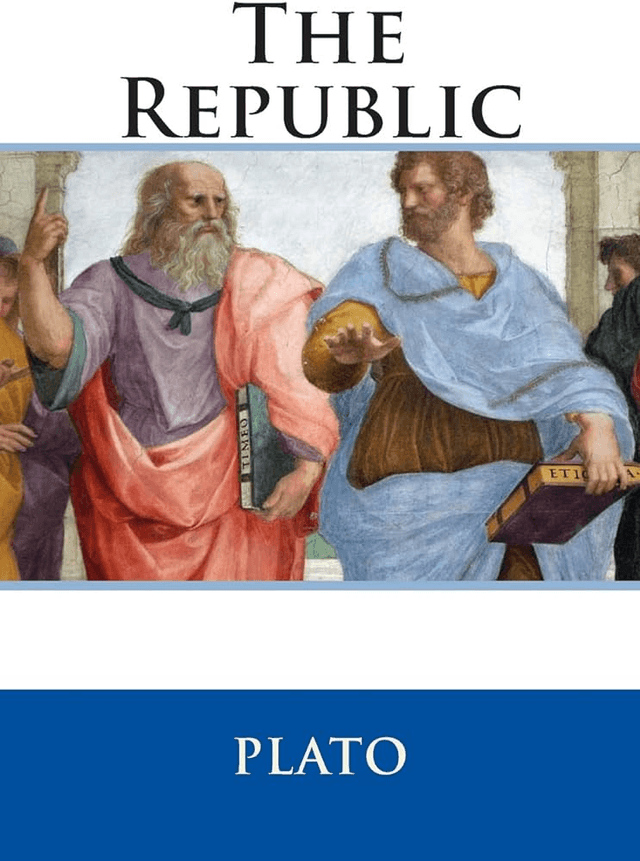
'The Republic' is a Socratic dialogue written by Plato around 380 BC. It addresses the definition of justice and examines the order and character of the just city-state and the just man. The dialogue explores whether a just man is happier than an unjust man through discussions on various topics, including the theory of forms, the immortality of the soul, and the roles of philosophers and poets in society.
Pros of 'The Republic' include its significant influence on Western thought and its timeless relevance. However, the dialogue is known for its dense and complex language, and the abstract concepts can be challenging to grasp.
'The Republic' was written by the ancient Greek philosopher Plato.
'The Republic' is considered an influential work because it has significantly shaped Western philosophical and political thought. Its discussions on justice, the ideal state, and the role of philosophers have had a lasting impact on intellectual history.
Key themes in 'The Republic' include justice, the ideal state, the theory of forms, the immortality of the soul, and the roles of philosophers and poets in society.

