Black Tea vs. Thai Tea
Thai Tea
Thai tea is a sweet, creamy drink made from strong black tea, usually Ceylon or a local version of Assam. It’s brewed with sugar and often flavored with condensed milk, giving it that rich, smooth taste and signature orange color. When served cold, it’s poured over ice, sometimes with a splash of evaporated milk on top for that creamy swirl. In Thailand, you’ll find it in tall glasses at restaurants or in plastic cups or bags from street vendors. Some places even turn it into a blended drink, like a frappé. There are variations too—like a version without milk called “dark Thai iced tea,” or one with lime for a citrusy kick. People drink it hot in the mornings as well, often with fried dough sticks.

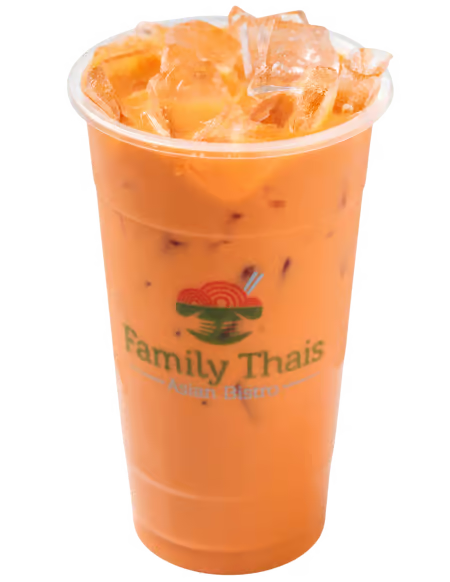
The Thai staple. What can be better than a cold iced tea on a hot afternoon in Chiang Mai? Although they often make them too sweet so I always ask for no added sugar.
Pros
No pros yet, would you like to add one?
Cons
No cons yet, would you like to add one?
Pros
Cons
Frequently Asked Questions
Black tea and Thai Tea offer different experiences. Black tea is a classic, oxidized tea known for its robust flavor and versatility, typically enjoyed hot. Thai Tea, on the other hand, is a sweet, cold beverage that is particularly refreshing on a hot day. The choice between the two depends on your preference for hot versus cold tea and whether you enjoy sweet beverages.
Black tea is typically less sweet than Thai Tea. Thai Tea is known for being very sweet, often with added sugar and condensed milk, while Black tea is usually consumed without added sweeteners, allowing the natural flavors to dominate.
Black tea is a type of tea that is fully oxidized, which gives it a deep reddish-brown color and a strong, punchy flavor. It comes from the Camellia sinensis plant, just like green and white tea. There are many varieties of black tea, including Assam, Darjeeling, Lapsang Souchong, and Ceylon, each with its unique taste profile.
To brew black tea, boil water and pour it over the tea leaves or a tea bag. Let it steep for 3 to 5 minutes, depending on your taste preference. A shorter steeping time will yield a mellower flavor, while a longer steeping time will produce a stronger brew. You can enjoy it plain or add milk, sugar, or lemon.
Different types of black tea offer a variety of flavor profiles. Assam tea is bold and malty, making it great with milk. Darjeeling is lighter and floral, often referred to as the 'champagne of teas.' Lapsang Souchong has a smoky flavor reminiscent of campfires, while Ceylon tea is brisk and refreshing.
Pros of drinking black tea include its rich flavor, variety of types, and the comforting ritual of brewing and enjoying it. It also retains its flavor for years, making it ideal for long-term storage. However, some cons may include its caffeine content, which can be a concern for those sensitive to caffeine, and the potential for bitterness if steeped too long.
Black tea is fully oxidized, while green tea is unoxidized and white tea is minimally processed. This oxidation process gives black tea its strong flavor and dark color, whereas green tea tends to have a more delicate taste and lighter color. Black tea also has a longer shelf life compared to green tea, which can lose its flavor over time.
Thai tea is a sweet, creamy drink made from strong black tea, usually Ceylon or a local version of Assam. It’s brewed with sugar and often flavored with condensed milk, giving it that rich, smooth taste and signature orange color. When served cold, it’s poured over ice, sometimes with a splash of evaporated milk on top for that creamy swirl. In Thailand, you’ll find it in tall glasses at restaurants or in plastic cups or bags from street vendors.
The pros of Thai Tea include its delicious and refreshing taste, making it a popular choice, especially on hot afternoons. However, a con is that it can be really sweet, which may not appeal to everyone.
Thai Tea is typically served cold over ice, often with a splash of evaporated milk on top for a creamy swirl. It can also be enjoyed hot, especially in the mornings, often paired with fried dough sticks.
There are several variations of Thai Tea, including a version without milk called 'dark Thai iced tea' and one with lime for a citrusy kick. Some places even offer it as a blended drink, like a frappé.
Users have described Thai Tea as a staple drink, particularly enjoying it on hot afternoons. One user mentioned that while it is delicious, they often request no added sugar as it can be made too sweet.
