Project Hail Mary vs. After the Quake
After the Quake
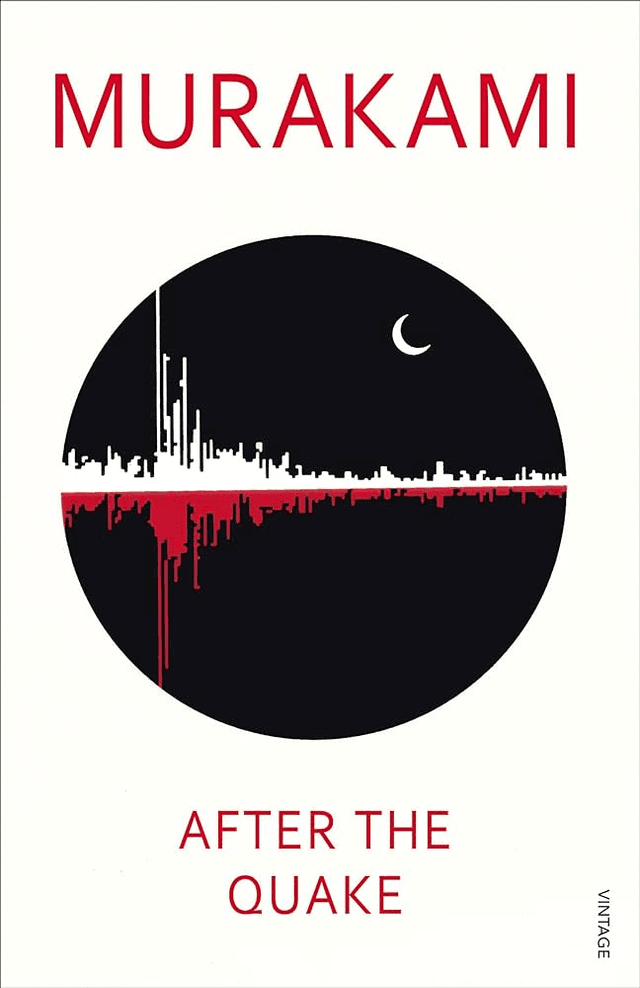
An electronics salesman who has been deserted by his wife agrees to deliver an enigmatic package— and is rewarded with a glimpse of his true nature. A man who views himself as the son of God pursues a stranger who may be his human father. A mild-mannered collection agent receives a visit from a giant talking frog who enlists his help in saving Tokyo from destruction. The six stories in this collection come from the deep and mysterious place where the human meets the inhuman—and are further proof that Murakami is one of the most visionary writers at work today.
Pros
Cons
Pros
No pros yet, would you like to add one?
Cons
No cons yet, would you like to add one?
Frequently Asked Questions
Project Hail Mary features strong character development, particularly with its protagonist, Ryland Grace, who undergoes significant growth throughout the story. In contrast, After the Quake is a collection of short stories that may not provide the same depth of character exploration, as each story focuses on different characters and themes. Therefore, if character development is a priority, Project Hail Mary is likely the better choice.
Project Hail Mary presents an intriguing and suspenseful plot centered around a high-stakes mission to save humanity, filled with scientific challenges and humor. On the other hand, After the Quake consists of six distinct stories that explore various themes and characters, which may appeal to readers looking for a more varied narrative experience. For those seeking a cohesive and engaging plot, Project Hail Mary is likely the more compelling option.
Yes, Project Hail Mary is noted for its humorous writing style, which balances the complex scientific concepts presented in the story. This blend of humor and science makes it accessible and enjoyable for readers. In contrast, After the Quake does not emphasize humor in the same way, focusing more on the surreal and philosophical aspects of its stories. Therefore, if you prefer a mix of humor with science, Project Hail Mary is the better choice.
Project Hail Mary is specifically designed for readers who appreciate complex scientific concepts, as it delves into intricate scientific challenges faced by the protagonist. However, this may also make it less accessible for some readers due to its lengthy technical explanations. After the Quake, while it may contain thought-provoking themes, does not focus on scientific concepts. Therefore, for those who enjoy complex science, Project Hail Mary is the more suitable option.
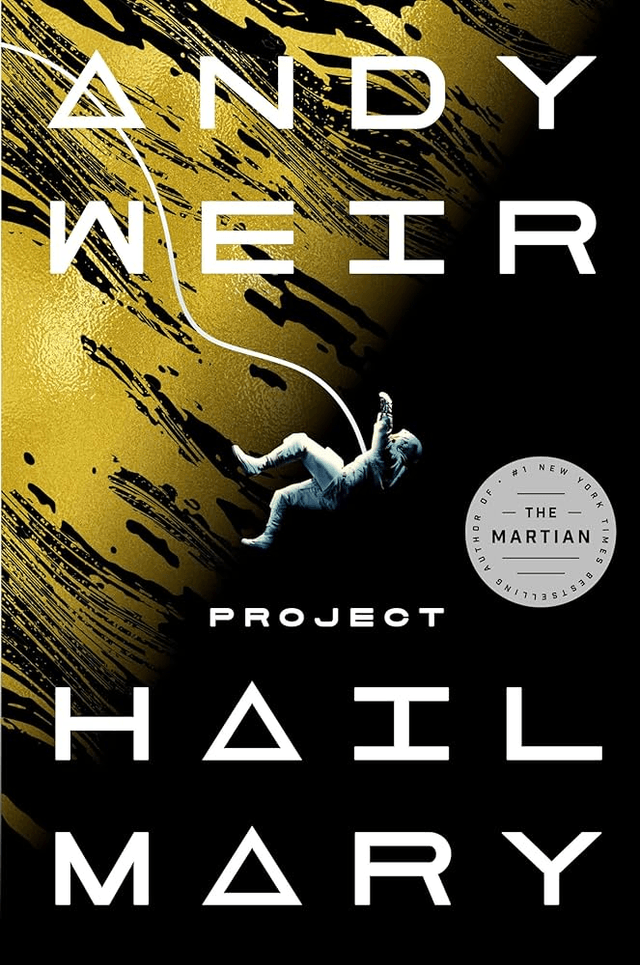
Project Hail Mary is a science fiction novel by Andy Weir. The story follows Ryland Grace, the sole survivor on a desperate, last-chance mission to save humanity and Earth from an extinction-level threat. Grace awakens millions of miles from home with no memory of his mission or his identity, and must solve an impossible scientific mystery while contending with the isolation of space.
Pros of 'Project Hail Mary' include its intriguing plot, well-researched science, humorous writing, and strong character development. Cons include complex scientific concepts, a slow start, and lengthy technical explanations.
Andy Weir is an American novelist best known for his debut novel, 'The Martian,' which was adapted into a successful film. He is known for his meticulous research and incorporation of real scientific principles into his fiction. 'Project Hail Mary' is one of his later works that continues to explore themes of survival and scientific discovery.
Common themes in 'Project Hail Mary' include survival, scientific discovery, and the resilience of the human spirit. The novel delves into the challenges of solving complex problems under extreme conditions and the importance of perseverance and ingenuity.
'Project Hail Mary' shares some similarities with Andy Weir's earlier novel 'The Martian,' such as a focus on scientific accuracy, survival under harsh conditions, and a lone protagonist facing seemingly insurmountable odds. However, 'Project Hail Mary' ventures further into speculative science fiction, exploring interstellar travel and complex scientific mysteries.
'After the Quake' is a collection of six short stories by Haruki Murakami. The stories revolve around characters dealing with the aftermath of the Kobe earthquake. An electronics salesman who has been deserted by his wife agrees to deliver an enigmatic package; a man who believes he is the son of God pursues a stranger who may be his human father; and a mild-mannered collection agent receives a visit from a giant talking frog who enlists his help in saving Tokyo from destruction. These stories explore the deep and mysterious intersection of the human and the inhuman.
'After the Quake' is authored by Haruki Murakami, a renowned Japanese writer known for his unique blend of surrealism, magical realism, and contemporary themes. He is one of the most visionary writers at work today.
The main themes in 'After the Quake' include human vulnerability, the impact of natural disasters, existentialism, and the intersection between the human and the inhuman. Murakami explores how these events shape the characters' lives and their perceptions of reality.
'After the Quake' belongs to the genres of literary fiction and magical realism. The stories often contain surreal and fantastical elements that blur the lines between reality and imagination.

